
Convicting and inspiring, Elizabeth Elliot is a personal role model and this book cements that fact.
Synopsis:
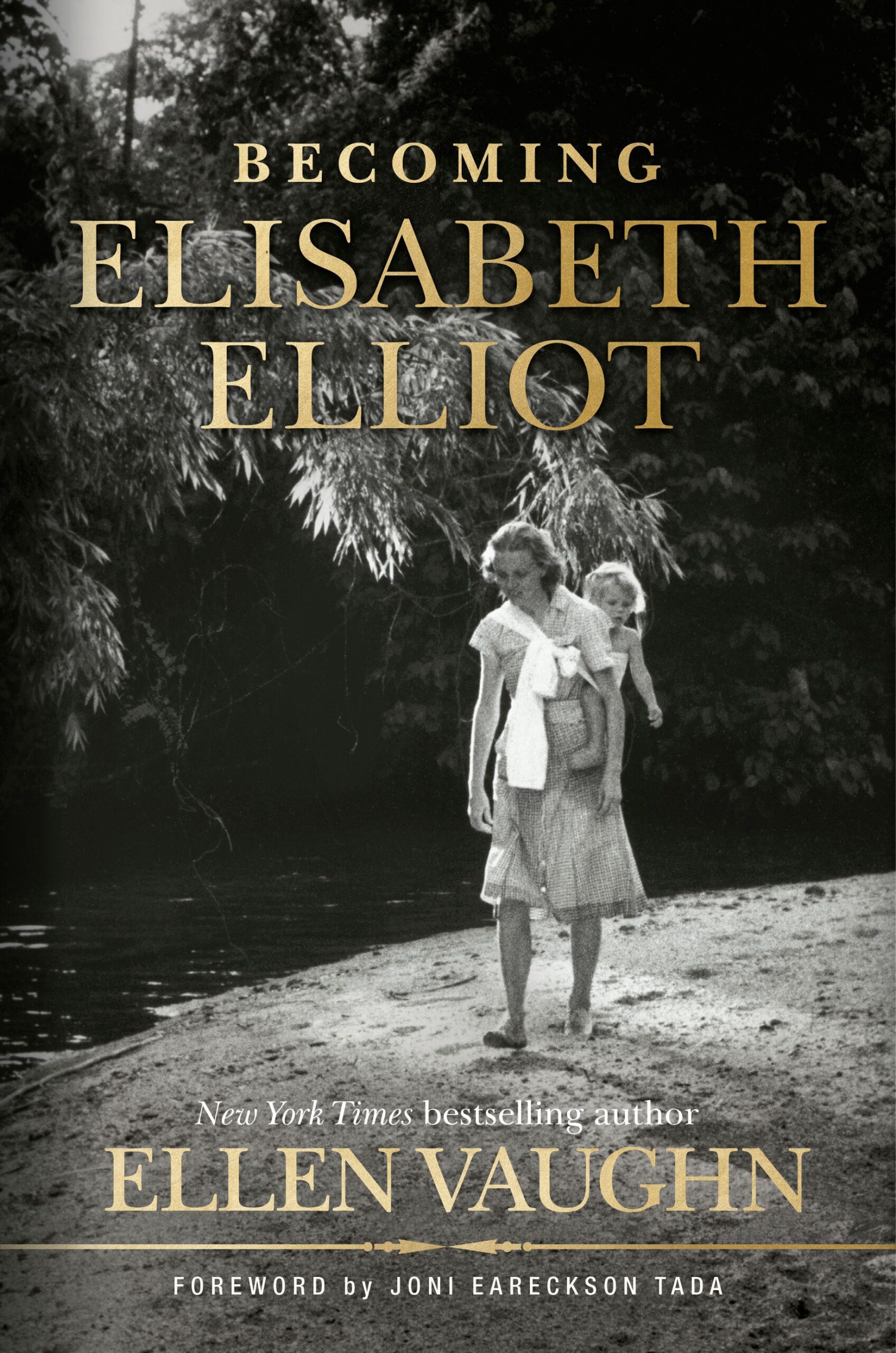
To come.
Personal Thoughts:
For quite a while I have admired Elizabeth Elliot for her well-known work among the Waodoni and appreciated the few books of hers that I had read (Let Me Be a Woman and The Path of Loneliness). I greatly enjoyed this biography and getting to know her more and seeing how God made her the woman he wanted her to be. I look forward to reading the second book on Being Elizabeth Elliot which discusses the latter half of her life.
Practicality and Discipleship Use:
I would highly recommend Becoming Elizabeth Elliot to anyone as an engaging, challenging, and inspiring account of a normal woman who lived a disciplined and obedient life to Christ. I think it would be especially encouraging to young women as Elizabeth Elliot is a unique individual in the modern church who young women can look up to.
Caveats:
It is important to understand that Elizabeth Elliot grew up strongly in the Keswick and Plymouth Brethren world of teaching and theology. This influences some of her ideas of sanctification and finding God’s will. She does have good beliefs on complementarianism but did become associated with Bill Gothard who takes the scope of male headship past what the scriptures lay out. She was Episcopal a denomination with many forays into liberal theology, and she also believed in eternal functional subordination which is not an orthodox belief.
Favorite Quotes:
“For Elizabeth, the central question was not, “How does this make me feel?” but simply, “Is this true?” If so, then the next question was, “What do I need to do about it to obey God?”” – p. 48
“Unless the Lord has definitely called a person for the mission field, we should be prepared to meet the world on its own grounds.” – p. 111
“Waiting on God requires the willingness to bear uncertainty, to carry within oneself the unanswered question, lifting the heart to God about it whenever it intrudes upon one’s thoughts. It is easier to talk oneself into a decision that has no permanence, than to wait patiently.” – p. 185

Add a Comment